UAC Targets Large-Scale Growth Across Civil and Military Aviation Programs
The United Aircraft Corporation (UAC), a subsidiary of the Russian state-owned defense and aerospace conglomerate Rostec, has outlined its plans for expanding both civil and military aircraft production during an interview with TASS conducted by UAC Chief Executive Officer Vadim Badeha.
The statements provide insight into Russia’s ongoing efforts to modernize its aviation industry, increase domestic aircraft production, and sustain elevated military manufacturing rates amid growing demand from both commercial operators and the Ministry of Defense.
Civil Aviation Programs Gain Momentum
Il-114-300 Regional Aircraft Near Certification
One of UAC’s key civil aviation projects, the Il-114-300 regional turboprop aircraft, has successfully completed certification flight testing and is expected to receive certification in the near future.
The aircraft is designed to serve regional routes, particularly in remote areas where operating conditions are challenging. UAC plans to begin serial production in 2026, with annual output projected at between six and twelve aircraft depending on market demand.
According to Badeha, the first three production aircraft are expected to be delivered to the Second Arkhangelsk Air Detachment. Current plans call for the production of 12 Il-114-300 aircraft by 2030.
Powered by Russian-made TV7-117ST-01 turboprop engines and equipped with domestically produced avionics, the Il-114-300 forms an important part of Russia’s import-substitution strategy in the aviation sector.

Tu-214 Production Ramps Up
The Tu-214 narrow-body airliner is also entering a new phase of production expansion. UAC expects the first four aircraft to be delivered to government and special-purpose customers before commercial deliveries begin.
Red Wings Airlines is expected to receive its first Tu-214 aircraft in 2027. Production is scheduled to reach eight aircraft annually next year before expanding to as many as twenty aircraft per year.
Badeha stated that manufacturing facilities are nearing full readiness for large-scale serial production, reflecting Russia’s efforts to reduce reliance on foreign-built airliners.
SJ-100 and MS-21 Certification Progress
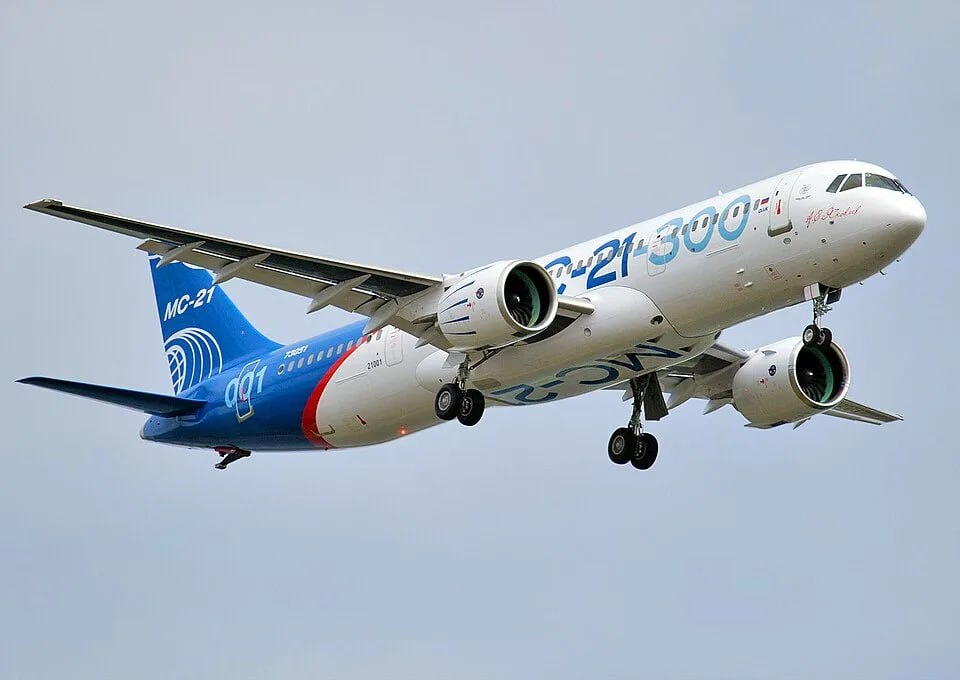
UAC reported significant progress on two of its flagship commercial aviation programs: the import-substituted SJ-100 regional jet and the MS-21 narrow-body airliner.
Certification testing for the SJ-100 is in its final stages, with approximately 20 percent of flight testing remaining. UAC expects these flights to be completed by the end of summer.
The MS-21 program continues certification activities, with roughly 70 percent of the required certification flights still to be completed. The aircraft represents Russia’s most advanced domestically produced narrow-body passenger jet and is intended to compete with Western-built aircraft in the medium-haul market.
Domestic Aircraft Could Dominate Russian Fleet
Badeha expressed confidence that Russian-made aircraft could eventually account for a majority of the country’s commercial fleet.
He suggested that domestic aircraft could capture 50 percent, 70 percent, or even 100 percent of the national fleet if factors such as economic efficiency, operational performance, and government support align successfully.
Industry forecasts cited by UAC indicate that Russian airlines may require approximately 500 new aircraft over the next 10 to 12 years. The corporation considers this demand achievable and expects future orders to support sustained production growth.
Financial Challenges Remain
Despite positive production forecasts, UAC continues to face financial pressure from elevated borrowing costs.
According to Badeha, annual loan interest payments have increased dramatically due to higher interest rates, rising from approximately 15–25 billion rubles several years ago to 60–70 billion rubles today.
Nevertheless, UAC leadership described the situation as manageable and emphasized that investment in production expansion and aircraft development remains on track.
Military Aviation Production Expands Rapidly
Combat Aircraft Output Increased Four to Five Times
On the military side, Badeha revealed that UAC has dramatically increased combat aircraft production since 2022.
According to the company, production rates for several categories of military aircraft have grown by four to five times compared to pre-2022 levels. In addition to manufacturing new aircraft, repair and modernization workloads have also increased substantially.
The expansion reflects heightened operational requirements and continued demand for tactical aviation assets. UAC claims that the increase represents some of the fastest production growth rates in the corporation’s history.
Su-75 Checkmate Advances Toward Prototype Stage
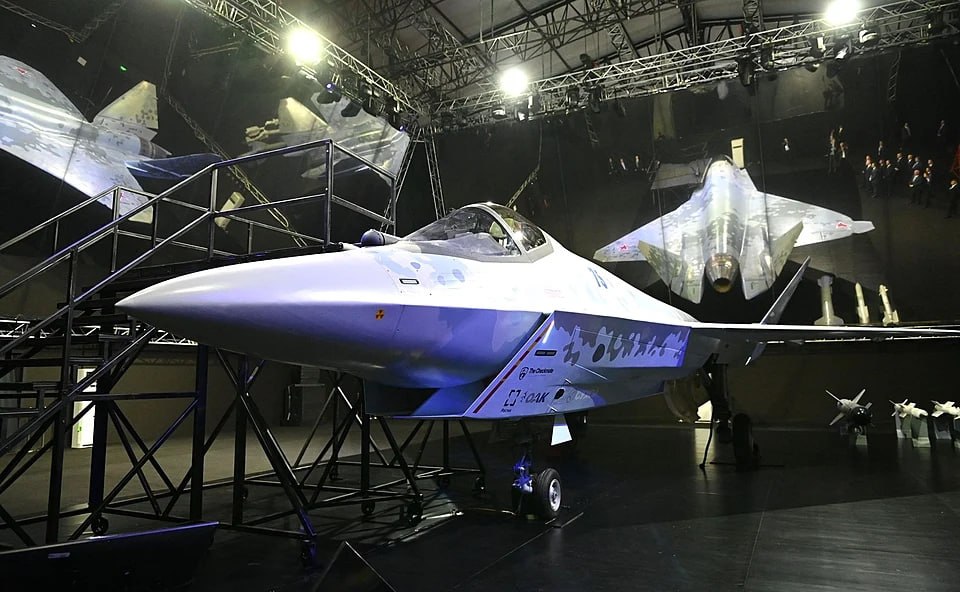
One of the most significant announcements concerns the Su-75 Checkmate, Russia’s proposed fifth-generation single-engine stealth fighter.
Badeha confirmed that work on the program has progressed to the prototype construction phase. The aircraft is intended to fill a market segment that Russia has largely been absent from since the collapse of the Soviet Union, despite the USSR’s extensive history of producing single-engine combat aircraft.
The Su-75 is designed as a lower-cost alternative to heavier twin-engine fifth-generation fighters and is expected to incorporate stealth features, advanced avionics, modern sensors, and multirole combat capabilities.
Domestic and Export Markets Targeted
UAC stated that the Checkmate program is being developed with both domestic and international customers in mind.
The Russian Ministry of Defense is expected to play a central role in defining operational requirements, while export opportunities remain a key objective for the program. According to Badeha, future production schedules will depend on customer interest, procurement requirements, and efforts to reduce overall aircraft acquisition costs.
The emphasis on affordability suggests that the Su-75 could be positioned as a more accessible fifth-generation fighter option for countries unable or unwilling to procure more expensive Western aircraft.
Outlook
The latest statements from UAC highlight a broad effort to strengthen Russia’s aerospace industry through expanded domestic aircraft production, accelerated military manufacturing, and the continued development of next-generation aviation platforms.
While challenges such as certification timelines, supply chain localization, and financing costs remain significant, the corporation’s plans indicate a long-term strategy aimed at increasing self-reliance in civil aviation while simultaneously sustaining elevated military aircraft output.
If successfully implemented, these initiatives could reshape both Russia’s commercial aviation sector and its future combat aviation capabilities over the coming decade.