New details emerging from U.S. investigations into the loss of an American fighter aircraft over Iran have raised serious questions regarding the presence of Chinese military technology on the battlefield and Beijing’s potential involvement in supporting Tehran’s defense capabilities.
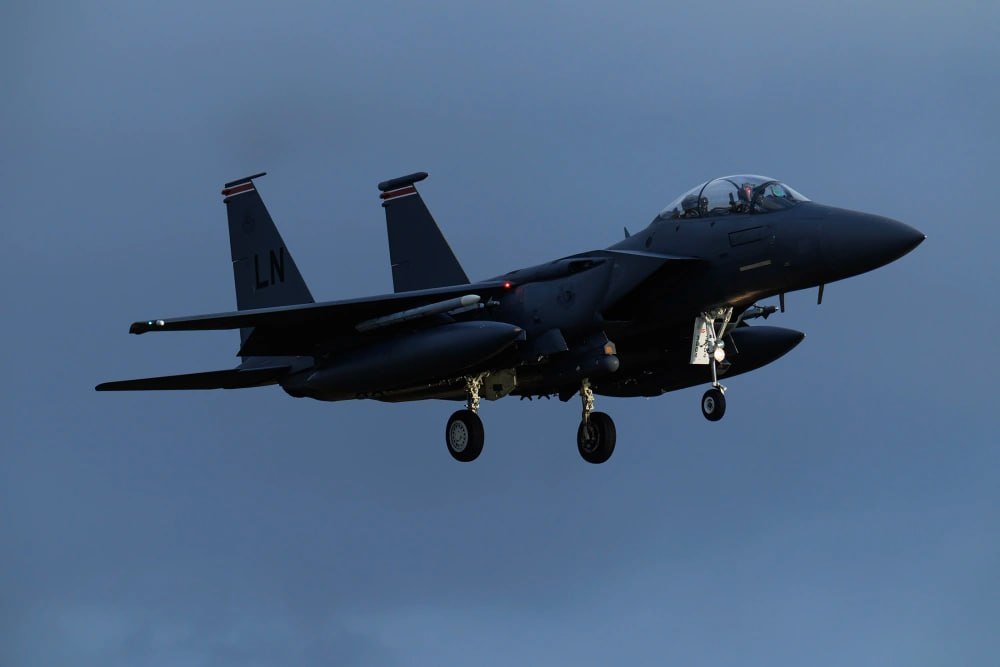
According to U.S. officials familiar with the ongoing investigation, who spoke to NBC News, the F-15E Strike Eagle that was shot down over southwestern Iran last month was likely destroyed by a Chinese-manufactured shoulder-fired surface-to-air missile. If confirmed, the incident would mark one of the rare occasions in recent decades in which a U.S. fighter aircraft has been successfully shot down by hostile fire during combat operations.
The F-15E Strike Eagle is one of the most capable multirole combat aircraft in the U.S. Air Force inventory. Designed for deep-strike missions, interdiction operations, and precision attacks, the aircraft combines long-range strike capability with advanced avionics, electronic warfare systems, and a substantial payload capacity. Despite these capabilities, modern shoulder-fired air defense systems remain a significant threat, particularly during low-altitude operations where terrain masking and mission requirements may reduce reaction time.
Preliminary intelligence assessments indicate that the missile responsible for the shootdown may have been a Chinese-produced man-portable air-defense system (MANPADS). Such weapons are designed to engage low-flying aircraft and helicopters and can be highly effective when employed by trained operators. Investigators are reportedly examining recovered missile fragments and electronic data to determine the exact type of weapon used during the engagement.
The incident has also intensified scrutiny of broader military cooperation between China and Iran. Intelligence sources cited by U.S. officials suggest that Beijing may have supplied Tehran with advanced long-range early warning radar systems capable of detecting and tracking aircraft at extended ranges. Such systems could significantly enhance Iran’s integrated air-defense network by providing earlier warning of incoming aircraft and improving coordination between radar operators and missile units.
Of particular concern to Western defense analysts are reports that the radar systems may possess improved capabilities against low-observable or stealth aircraft. While no radar can render stealth technology obsolete, modern sensor networks that combine multiple radar frequencies can complicate mission planning and increase the likelihood of detection under certain operational conditions.
The alleged presence of Chinese military equipment in Iran comes at a politically sensitive moment for Washington. The Trump administration is currently engaged in diplomatic efforts aimed at securing a ceasefire and reducing regional tensions. President Donald Trump previously stated that Chinese President Xi Jinping had assured him that Beijing would not provide military equipment to Tehran. The reported appearance of Chinese-origin missile systems on the battlefield could therefore create additional friction in U.S.-China relations and complicate ongoing diplomatic negotiations.
The downing of the F-15E triggered a major combat search-and-rescue operation conducted by U.S. forces. According to reports, Pentagon assets spent approximately two days searching the rugged foothills of the Zagros Mountains to recover the aircraft’s two crew members. The rescue mission reportedly involved a combination of aerial surveillance platforms, helicopters, special operations personnel, and supporting combat aircraft operating in a highly contested environment.
Military analysts note that the successful recovery of downed aircrew remains a critical component of modern air operations. Search-and-rescue missions often require extensive coordination and can expose additional aircraft and personnel to enemy threats, particularly when conducted deep inside hostile territory.
China has firmly rejected the allegations. In a statement issued through its embassy in Washington, Chinese officials described the accusations as unfounded and politically motivated. Beijing reiterated that it maintains strict controls over military exports and conducts arms transfers in accordance with international laws and obligations. Chinese representatives further stated that the country remains committed to regional stability and responsible management of defense-related exports.
As investigations continue, analysts are closely watching for definitive evidence regarding the missile’s origin and the extent of foreign assistance provided to Iran’s air-defense network. Confirmation that a Chinese-made missile was responsible for the shootdown would not only represent a significant battlefield development but could also have far-reaching implications for U.S.-China relations, regional security dynamics, and future military operations in the Middle East.
The incident highlights the growing complexity of modern warfare, where advanced missile systems, integrated air-defense networks, and international arms transfers increasingly shape the operational environment faced by military forces around the world.