Large numbers of legacy armored vehicles remain in long-term storage across multiple countries, raising a recurring question: how can such platforms be used effectively outside frontline combat roles? One practical and increasingly relevant answer lies in their adaptation for short-range air defense (SHORAD) missions. A notable example of this approach is the continued reuse of the BRDM-2 armored reconnaissance vehicle as a base platform for various air defense systems.
Suitability of the BRDM-2 as an Air Defense Platform
Although the BRDM-2 is no longer suitable for modern frontline reconnaissance due to limited protection, outdated sensors, and poor survivability, it retains several characteristics that make it attractive for secondary roles. These include high mobility, amphibious capability, basic armor protection against small arms and fragments, and a compact chassis suitable for modular upgrades. As a result, the vehicle has repeatedly been selected as a base for short-range air defense solutions.
Existing and Historical Air Defense Conversions
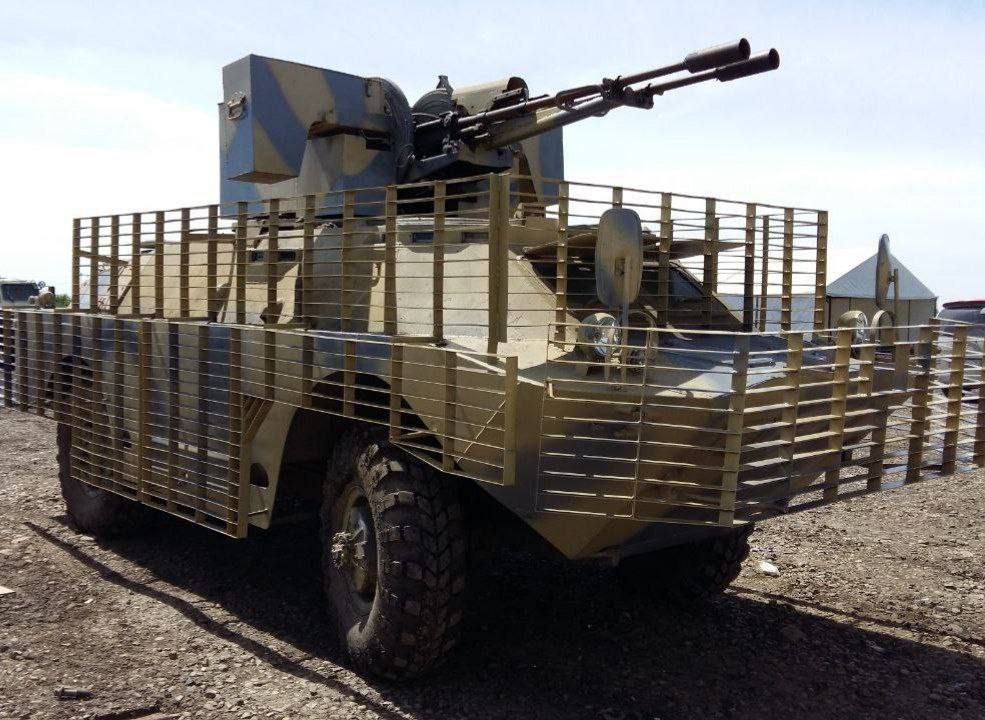
One modern example is the ZSU “Lovets,” a self-propelled anti-aircraft system developed on the BRDM-2 chassis. This system integrates a ZSU-23-2 twin 23 mm anti-aircraft gun, along with an optical-electronic surveillance (OES) system for target detection and engagement. Such a configuration allows the vehicle to counter low-altitude aerial threats, including helicopters and unmanned aerial vehicles (UAVs), without reliance on radar emissions.
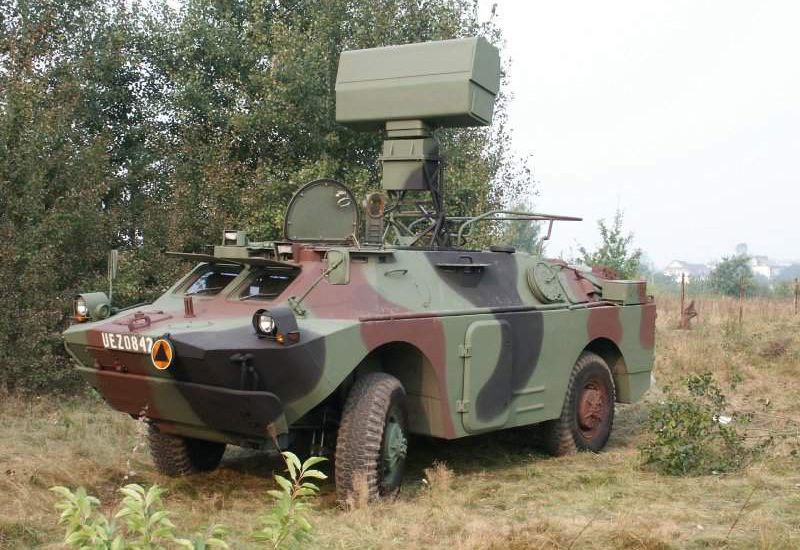
Historically, the BRDM-2 also served as the base vehicle for the 9K31 Strela-1 short-range surface-to-air missile system. While innovative for its time, Strela-1 is now considered obsolete due to limited engagement capability, outdated guidance methods, and vulnerability to modern countermeasures. Nevertheless, its development demonstrated that the BRDM-2 chassis is well suited for air defense roles.
International Adaptation Projects
Several countries have independently explored similar concepts. In the early 2000s, Cuba developed a system using surplus R-13 air-to-air missiles repurposed as surface-launched anti-aircraft weapons, mounted on BRDM-2-based vehicles. Although improvised, this solution highlighted the feasibility of converting outdated missile stocks into functional ground-based air defense systems.
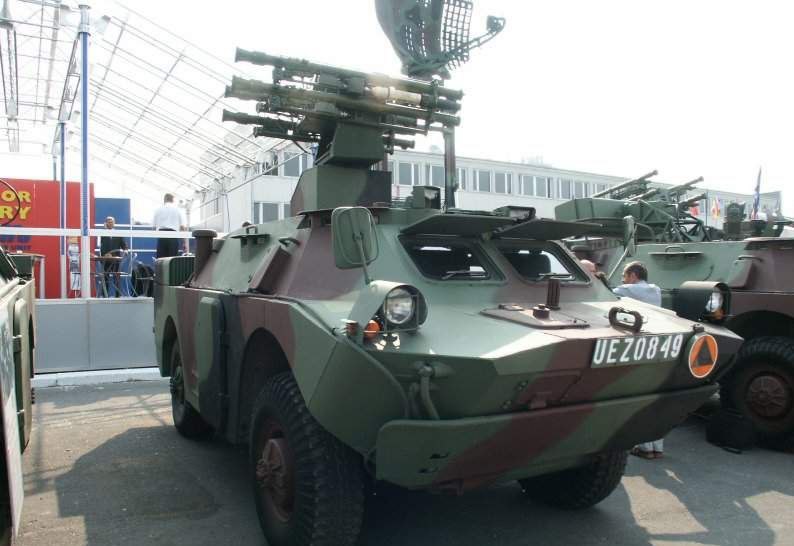
A more advanced example is the Polish ASRAD system. In this configuration, the BRDM-2 serves as the carrier for surface-to-air missiles derived from the Grom MANPADS. The system includes improved fire control and target acquisition, with a small radar mounted on a separate vehicle—also based on the BRDM-2 platform. This modular approach significantly enhances situational awareness and engagement effectiveness.
Future Potential and Modernization Options
Given the large number of BRDM-2 vehicles still in storage, their conversion into air defense platforms remains a cost-effective solution. Such vehicles could be used to protect rear-area infrastructure, logistics hubs, and key facilities, as well as to counter UAVs along likely flight routes.
Several armament options are available for these conversions. Missiles from MANPADS systems such as Igla or Verba can serve as base interceptors, while older air-to-air missiles can be refurbished and modernized. In Belarus, for example, modernization programs have equipped legacy air-to-air missiles with new guidance systems, including laser beam-riding homing heads. This approach improves target engagement reliability, particularly against UAVs that generate weak infrared signatures and are difficult for older thermal seekers to detect.
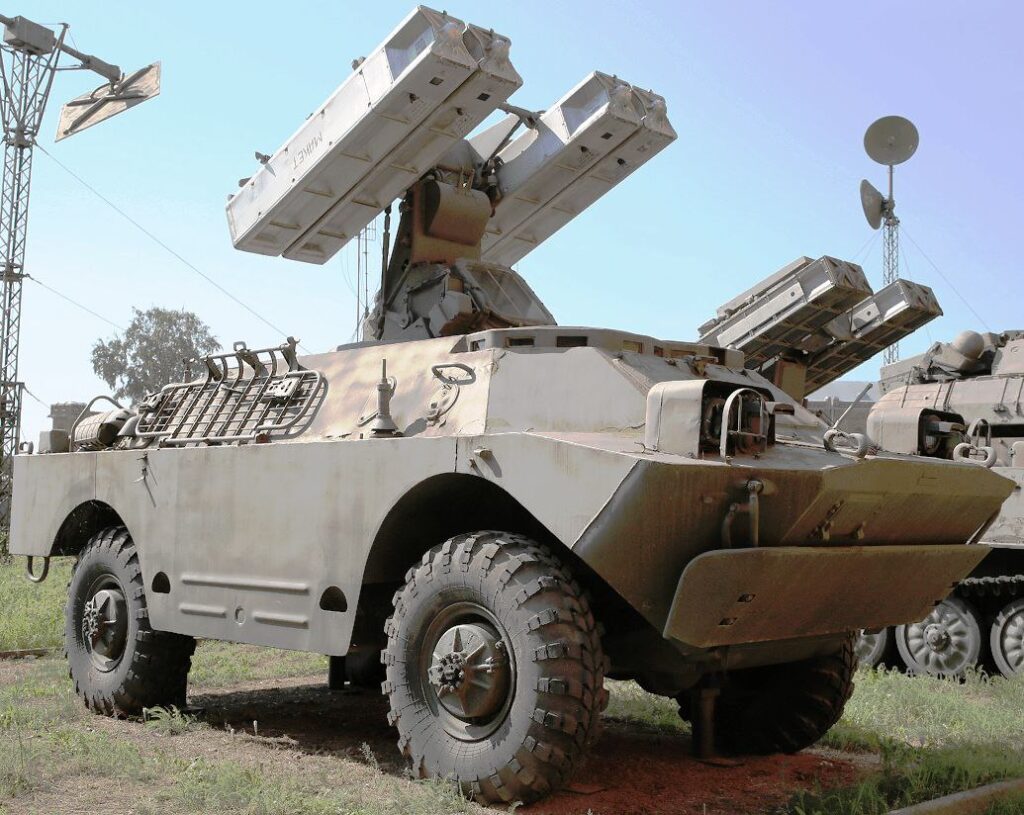
Repurposing obsolete missile stocks in this way not only provides an effective counter-drone capability but also offers a practical method for safely disposing of aging munitions.
Emerging Concepts and Alternative Roles
Beyond traditional gun- or missile-based systems, the BRDM-2 chassis could also be adapted to launch interceptor drones. Such a configuration would further expand its utility in counter-UAV operations while keeping costs relatively low.
Although the BRDM-2 is no longer viable for frontline combat or its original reconnaissance role, this does not render it obsolete as a military asset. When reassigned to secondary tasks and modernized appropriately, the platform remains a valuable and flexible solution.
Conclusion
The continued relevance of the BRDM-2 lies in its adaptability rather than its original purpose. With significant numbers still available in storage, the vehicle offers a practical foundation for a wide range of short-range air defense systems. Through thoughtful modernization and role reassignment, legacy platforms like the BRDM-2 can remain operationally useful in modern conflict environments, particularly in counter-drone and rear-area air defense roles.