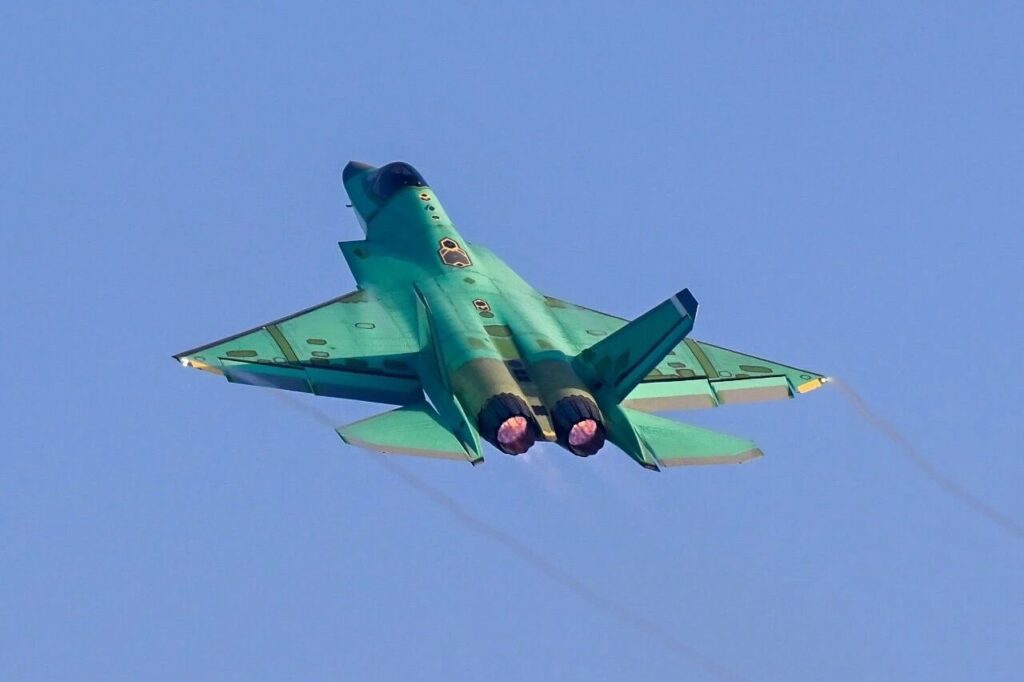
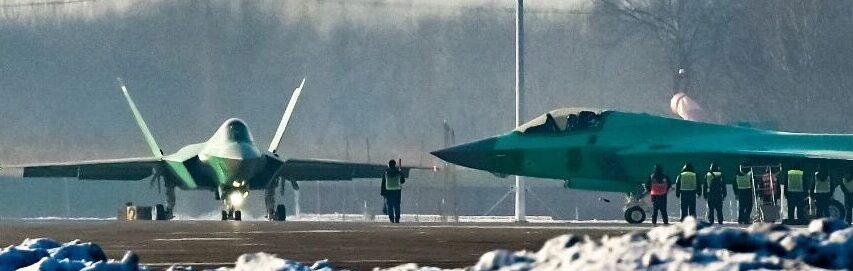
The photos show the flights of experimental machines as part of the tests, which is a key stage before their official introduction into combat units. The presence of a separate marine and “land” version indicates the parallel development of the J-35 for two components of the PLA.
This information supplements the data that appeared in mid-2025. Then, Chinese state television indirectly showed the assembly line of the J-35 in one of the reports on the production of deck-based J-15s. In the background, a J-35 in the late stage of assembly was spotted, presumably equipped with a hook – a sign of a deck-based version.
OSINT analysts noted that the appearance of the aircraft in the frame could not be accidental, but a kind of signal about the progress of the program. At the same time, officials in the report did not mention the new fighter, focusing exclusively on the J-15.
China is traditionally extremely discreet in demonstrating details of its fifth-generation fighters – both the J-20 and J-35. Therefore, even such indirect shots were perceived as a sign of a higher degree of readiness of the project than previously thought.
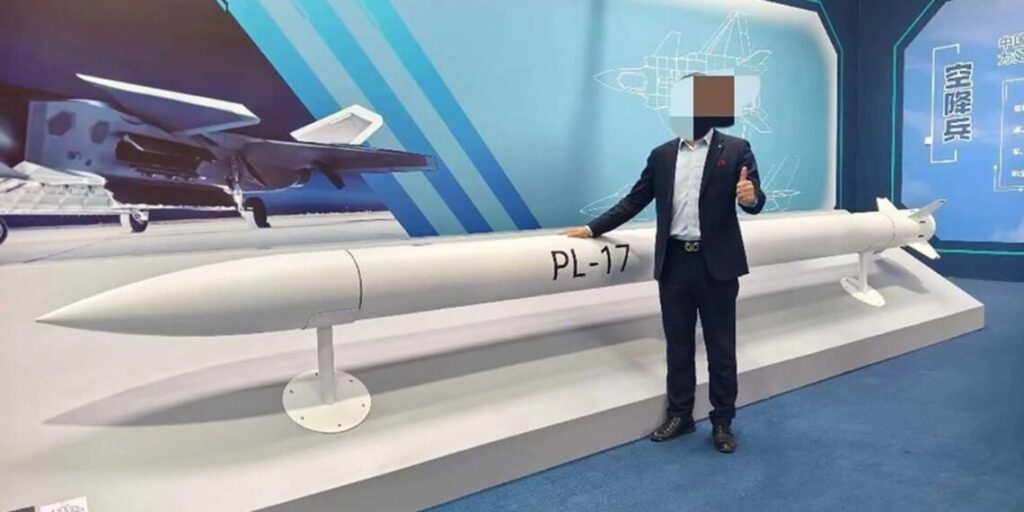
An additional confirmation was the display of a scale model of the J-35 in September 2025 at an air show in Changchun (Jilin Province). The model was presented along with a range of weapons, including LD-8A anti-radar missiles and PL-10E, PL-15E, and PL-12AE air-to-air missiles. The presence of the LD-8A indicates the possible role of the J-35 in EW tasks and the suppression of enemy air defense systems.
Taken together, the new flight tests, the previously noticed assembly line, and the demonstration of weapons, as well as flights from the aircraft carrier “Fujian”, indicate steady progress in the program. Despite the lack of official statements about the timing of commissioning, everything suggests that the J-35 will become one of the key elements of the PLA’s aviation in the coming years.